Lire l'essentiel du sujet
- Installée dans les Vosges, la Cristallerie Saint-Louis perpétue depuis le XVIIe siècle un savoir-faire inchangé, basé sur le soufflage à la bouche.
- Si Saint-Louis et Baccarat incarnent le summum de la cristallerie française, leurs approches diffèrent dans l’élégance, la fonctionnalité et la modernité.
- Le choix d’un verre de whisky de luxe dépend moins de la marque que de la façon dont il amplifie le rituel sensoriel du dégustateur.
- Pour distinguer Saint-Louis de Baccarat, on cherche le poinçon d’acide: une étoile gravée contre un « B » couronné.
Over 400 years of uninterrupted craftsmanship flow through the veins of French crystal making-a rare art where human hands still shape molten material into objects of lasting beauty. Those substantial, deeply cut glasses passed down through generations weren’t just for show; they carried the weight of tradition, literally and figuratively. Today, when it comes to selecting a whiskey glass from two legendary houses-Saint Louis and Baccarat-the choice isn’t merely about aesthetics. It’s about aligning personal ritual with centuries of mastery, where every curve and facet serves a purpose beyond ornamentation.
The Essence of French Crystal Craftsmanship
Nestled in the forested hills of northeastern France, the Cristallerie Saint-Louis has operated since the early 17th century, earning its place as the country’s oldest crystal manufactory. The process here remains astonishingly unchanged: each piece begins as a gather of molten crystal on the end of a blowpipe, shaped by hand in a tradition passed down through generations. This mouth-blown crystal technique ensures no two pieces are exactly alike, imbuing each with a subtle individuality that machine production can’t replicate. The master glassmakers undergo years of rigorous training, mastering temperature, timing, and tactile precision to create vessels that are both robust and refined.
Centuries of Mouth-Blown Expertise
The weight of a Saint-Louis tumbler in hand speaks volumes-its density a direct result of high lead content, which enhances both clarity and resonance. Tap the rim gently, and it emits a sustained, crystalline ring, a hallmark of authentic French crystal. This acoustic signature is more than a curiosity; it’s proof of structural integrity and purity. For those seeking to offer a truly distinguished present, a luxury whiskey glass gift represents the pinnacle of French lifestyle and craftsmanship. These are not mere drinking vessels but heirlooms, designed to be handed down.
Defining the Clear and Colored Crystal Standards
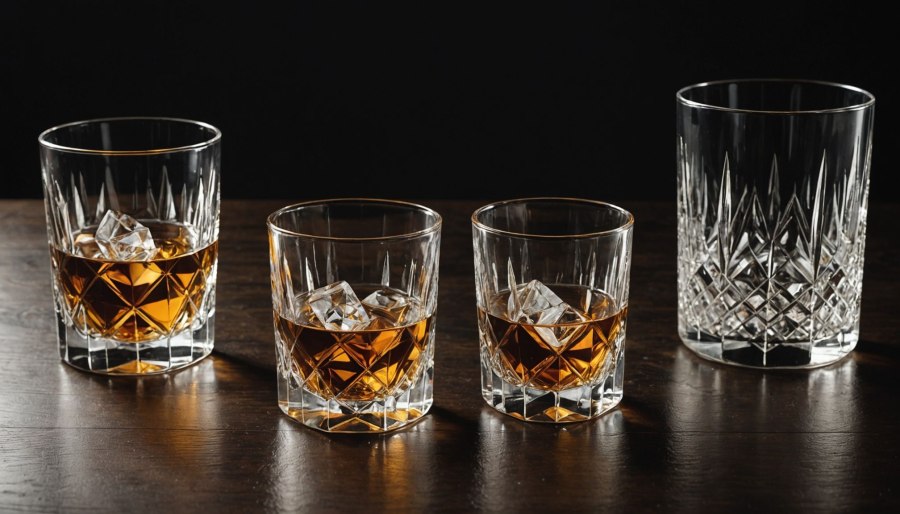
True crystal differs from regular glass in composition and character. With a lead oxide content typically exceeding 24%, it achieves a brilliance that refracts light into delicate rainbows, especially when cut by hand. Saint-Louis is renowned for its doublé crystal-a technique where a layer of colored crystal is fused beneath a clear outer layer, creating depth and contrast in the final cut. This method, demanding in execution, allows for intricate patterns that catch and amplify light. The result is a sensory experience: visual sparkle, auditory clarity, and tactile satisfaction-all converging in a single sip.
Saint Louis vs Baccarat: Design and Ergonomics
While both Saint-Louis and Baccarat represent the apex of French crystal artistry, their design philosophies diverge in subtle but meaningful ways. Each house has cultivated signature collections that reflect distinct interpretations of elegance, function, and modernity. The choice between them often comes down to personal preference in form, weight, and the kind of ritual one wishes to cultivate around whiskey tasting.
Iconic Collections and Cutting Styles
Saint-Louis favors geometric precision and structured symmetry. The Tommy tumbler, for instance, features a star-shaped base and sharp, linear cuts that amplify light reflection, giving it a dynamic presence on any table. The Manhattan line offers a more contemporary silhouette, balancing heft with clean lines. Baccarat, on the other hand, leans into bold, architectural forms. The Harcourt tumbler-legendary in its own right-is known for its hexagonal base and thick, substantial walls, exuding a sense of permanence. The Vega collection introduces softer curves, blending modernity with classic weight.
Comparative Features for Whiskey Enthusiasts
| Feature | Saint-Louis Crystal | Baccarat Glassware |
|---|---|---|
| Heritage | Oldest French crystal manufactory, established in 1586 | Founded in 1764, known for royal commissions |
| Signature Cut Style | Geometric, linear, and highly reflective (e.g., Tommy) | Architectural, bold (e.g., Harcourt’s hexagonal base) |
| Glass Thickness | Dense, with a balanced weight for handfeel | Thicker walls, conveying solidity and permanence |
| Light Refraction Qualities | Exceptional sparkle due to precise hand-cut facets | Deep brilliance, enhanced by heavy crystal mass |
Choosing the Right Glass for Your Spirit Ritual
Selecting a luxury whiskey glass isn’t just about brand prestige-it’s about how the object integrates into your personal tasting experience. The right glass should feel like a natural extension of the ritual, enhancing both the sensory and emotional dimensions of the moment.
The Importance of Hand-Feel and Weight
A well-crafted crystal tumbler should have presence. The weight in the palm signals quality and intention; it slows the hand, encouraging mindfulness with each pour. Deeply cut patterns aren’t merely decorative-they provide grip and tactile feedback, especially important when handling a glass with condensation. Smooth finishes, while elegant, can feel slippery in comparison. The interplay of light across hand-cut facets also transforms the visual experience, turning a simple drink into a display of hand-cut brilliance.
Maintenance and Longevity of High-End Pieces
Preserving the clarity and integrity of fine crystal requires care. While some modern dishwashers claim to be crystal-safe, the safest approach is always hand-washing with lukewarm water and a soft cloth. Sudden temperature changes-like pouring hot water into a chilled glass-can cause thermal shock, leading to cracks. Over time, proper care ensures the glass retains its ring and radiance. These are investments, not disposables, meant to age gracefully with use.
- Type of whiskey: Neat pours benefit from thicker, heavier glasses that retain warmth; on-the-rocks servings may favor slightly larger bowls.
- Desired grip texture: Deep cuts offer better control, while smooth finishes prioritize minimalist elegance.
- Lighting in the tasting room: Well-lit spaces highlight the refractive qualities of cut crystal.
- Collectibility of the series: Limited editions or iconic lines like Tommy or Harcourt often appreciate in value.
Common Inquiries
I found an old set in my attic; how can I distinguish a Saint-Louis tumbler from a Baccarat one?
Look for the acid stamp-Saint-Louis typically marks its pieces with a star-shaped logo containing the name, while Baccarat uses a stylized “B” with a crown. The weight and base design also help: Saint-Louis often features a star-cut base, whereas Baccarat’s Harcourt line has a distinctive hexagonal footprint. Older pieces may show slight variations in thickness, a sign of handcrafting.
Is the recent trend toward stackable whiskey glasses affecting luxury crystal manufacturers?
Luxury houses like Saint-Louis and Baccarat remain focused on craftsmanship over convenience. While stackable designs cater to space-saving needs, these brands prioritize sensory experience and permanence. Their pieces are meant to be displayed and cherished, not nested away. That said, some modern collections now offer slightly slimmer profiles without sacrificing weight or cut quality.
What kind of guarantee usually covers these handcrafted crystal items against manufacturing defects?
Most high-end crystal manufacturers offer a limited warranty covering true defects-such as cracks from inherent flaws or unstable stems. However, bubbles or slight asymmetries are considered part of the mouth-blown process and not defects. Replacement policies vary, but many brands, including Saint-Louis, provide repair or exchange options for verified issues under normal use.
